
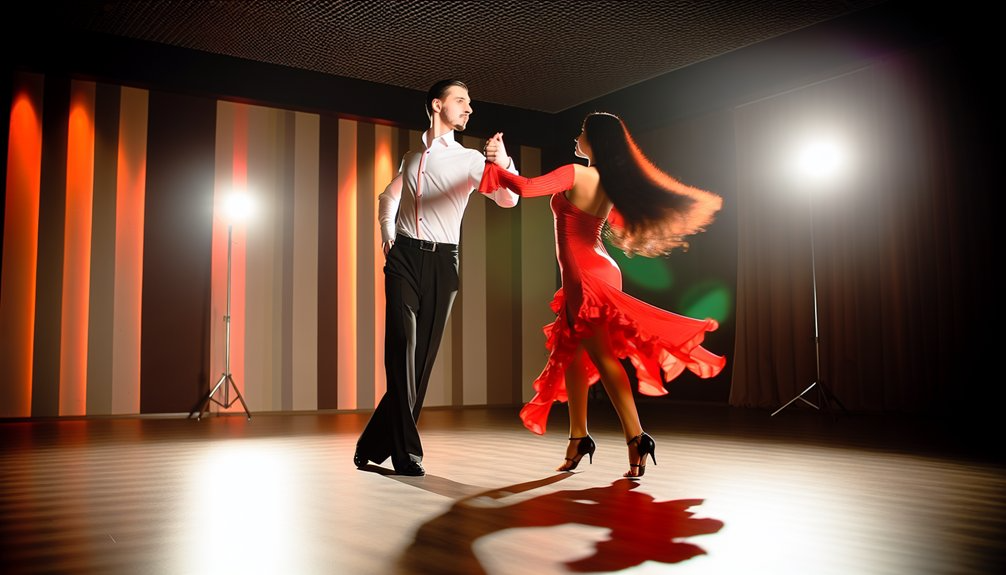
Let’s explore the rhythmic world of bachata. Begin with its four-count beat, emphasizing hip movements and synchronized footwork. Maintain close partner connection through firm touches and eye contact. Engage in diverse bachata styles, blending elements from salsa and tango. Utilize online resources like DancePlug for structured courses and personalize feedback from local instructors. Consistent practice and community engagement are key for growth. As we continue, you’ll master the intricacies of bachata dance.
Key Takeaways
- Start with mastering the basic steps and 8-count timing, focusing on side steps and taps.
- Practice consistent hip movements and weight shifts to achieve fluidity and grace.
- Develop partner connection through eye contact, body signals, and synchronized movements.
- Explore various bachata styles and incorporate elements from other dance genres for uniqueness.
- Utilize online resources and local classes for structured learning and community engagement.
Understanding the History and Origins of Bachata
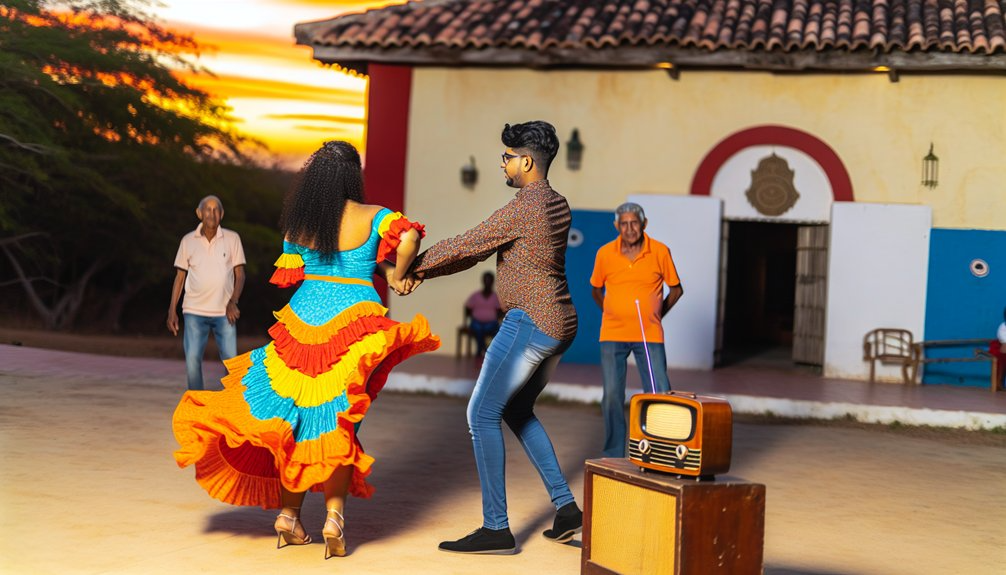
Although often associated with its contemporary social dance style, bachata began as a musical genre in the Dominican Republic in the early 20th century. We must understand that its origins are deeply rooted in cultural influences blending African, European, and indigenous musical traditions. These influences shaped the bachata sound, characterized by its distinctive guitar melodies and rhythmic patterns.
As we explore bachata’s musical evolution, we notice how the genre has transformed over decades. Initially marginalized, it gained mainstream acceptance in the 1990s, incorporating modern instruments and diverse styles. This evolution expanded its global appeal, allowing bachata to transcend its humble beginnings. By appreciating its rich history, we can better connect with the music as we learn to dance bachata authentically.
Basic Steps and Footwork for Beginners
Let’s start with the basic bachata rhythm, grounding our movements in a consistent beat of four counts. We’ll focus on leading and following techniques to guarantee smooth changes between steps. By mastering common footwork patterns, we can dance confidently and expressively.
Basic Bachata Rhythm
The heart of bachata lies in its basic rhythm, which we’ll master through fundamental steps and footwork. To begin, we need to understand the essential basic rhythm patterns. Bachata typically follows an 8-count musical timing structure. We’ll step to the side on counts 1, 2, and 3, adding a tap on count 4. This sequence then repeats in the opposite direction for counts 5, 6, 7, with another tap on count 8. Each step should align with the music’s beats, ensuring our movements are fluid and synchronized. Practicing slowly helps us internalize the timing, making our steps precise and consistent. With patience and repetition, we’ll naturally integrate the rhythm, setting a strong foundation for more advanced techniques.
Leading and Following Techniques
Mastering leading and following in bachata demands attention to connection and communication between partners. As leaders, we initiate movements, engaging in clear leadership dynamics by using deliberate pressure and gentle but assertive signals. Maintain a consistent frame and lead from the core, ensuring your partner can interpret your intentions.
Followers, your role is equally important. Employ refined following techniques by maintaining a responsive frame and being attentive to subtle cues. Relax your arms and allow your body to flow naturally with the leader’s guidance. Trust is key—respond, don’t anticipate.
Both partners should focus on synchronized footwork, keeping steps compact and in harmony with the music. Practice patience and mutual understanding to enhance the overall dance experience. Let’s cultivate this partnership together!
Common Footwork Patterns
When learning bachata, understanding key footwork patterns is essential for building a strong foundation. We begin with the basic step: step to the side with the left foot, bring the right foot next to the left, step the left foot again, and then tap with the right foot. Repeat this movement in the opposite direction. Precision in these steps is vital, so let’s focus on alignment and timing.
To enhance our skills, we incorporate footwork drills. Practicing these drills repeatedly helps internalize rhythm and improve balance. We should also explore common variations like the forward-and-backward basic step, which adds versatility to our dancing. By mastering these foundational patterns, we’re equipped to explore more complex moves with confidence and fluidity.
Mastering the Hip Movements and Body Isolation
To truly excel in bachata, we must focus on hip movements and body isolation to create the dance’s signature fluidity and grace. Let’s start by mastering hip isolation: shift our weight smoothly from one foot to the other, allowing our hips to sway naturally. This swaying, when controlled, enhances our body rhythm and makes each step appear seamless. Practice stepping side to side, emphasizing the hip lift on the fourth count.
Next, isolate our torso from our lower body. Engage our core to maintain a steady upper body while our hips move independently. Repetition is key; practice in front of a mirror to guarantee precision. By honing these skills, we’ll achieve the elegance and articulation that define bachata’s enchanting style.
Tips for Partner Connection and Communication
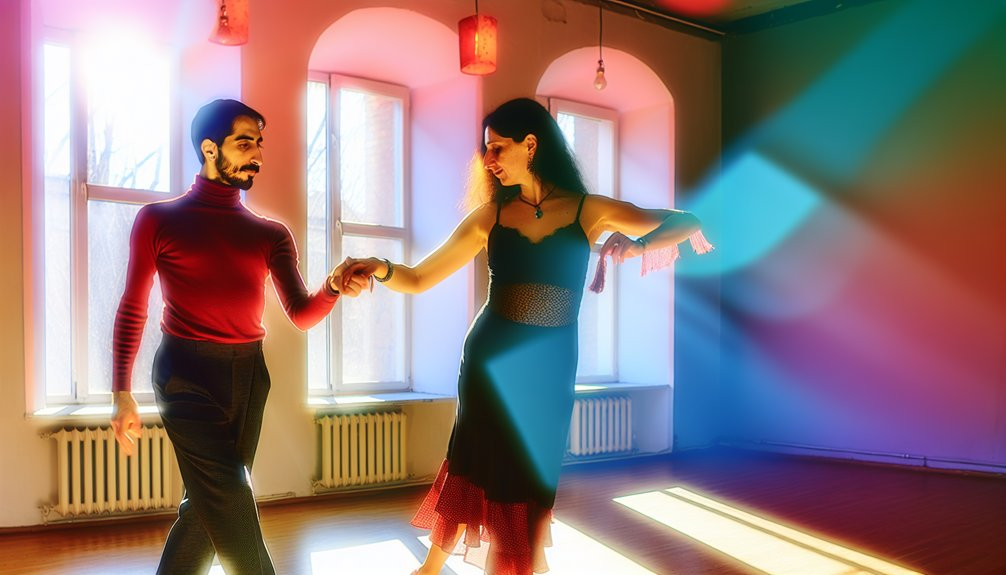
Let’s focus on enhancing our partner connection and communication in bachata by establishing physical contact. We should maintain a gentle yet firm hold to facilitate smooth shifts and guarantee both partners feel secure. Additionally, developing non-verbal cues such as eye contact and subtle body signals will help us synchronize our movements effectively.
Establish Physical Contact
Creating a strong physical connection with your partner is vital for a successful bachata dance. We begin by establishing firm yet gentle physical touch, which fosters an emotional connection. Place our right hand on our partner’s shoulder blade, ensuring a supportive grip that allows for fluid movement. Simultaneously, maintain a light hold with our left hand, ensuring a comfortable yet controlled grasp.
Our bodies should remain aligned, maintaining a subtle, constant pressure to relay movement intentions. It’s important to maintain relaxed, slightly bent knees, which absorb motion and allow for smooth shifts. By focusing on these precise touchpoints, we’ll create a seamless connection. This approach enhances our ability to communicate effectively with our partner, ensuring a harmonious and expressive bachata experience.
Develop Non-Verbal Cues
While verbal communication is limited on the dance floor, developing non-verbal cues is essential for a cohesive bachata experience. We must focus on non-verbal expressions and body language to synchronize our movements. Eye contact is vital; it helps us anticipate each other’s next steps. A slight raise of the eyebrows or a nod can signal a change in direction or rhythm. Our hands and arms play a significant role too—gentle pressure can guide our partner without words. By observing our partner’s body language, we can adjust our movements to match their lead or follow. Through these cues, we maintain an intuitive connection, ensuring that our bachata is fluid and harmonious. Let’s practice these techniques to enhance our dance communication.
Exploring Different Styles and Variations of Bachata
Why do we find such diversity in bachata styles and variations? Bachata’s evolution is fueled by cultural exchanges and individual creativity. Let’s explore modern bachata and bachata fusion, two popular styles. Modern bachata incorporates elements from other dance forms like salsa and tango, adding dynamic turns and intricate footwork. This style appeals to those who enjoy a contemporary flair in their dance routines.
In contrast, bachata fusion blends bachata with diverse dance genres, resulting in unique and personalized interpretations. Here, we can experiment by integrating hip-hop, ballroom, or even jazz movements into our steps. This adaptability allows dancers to express individuality while maintaining bachata’s core rhythm. By exploring these styles, we enhance our versatility and deepen our understanding of bachata’s rich tapestry.
Resources for Further Learning and Practice
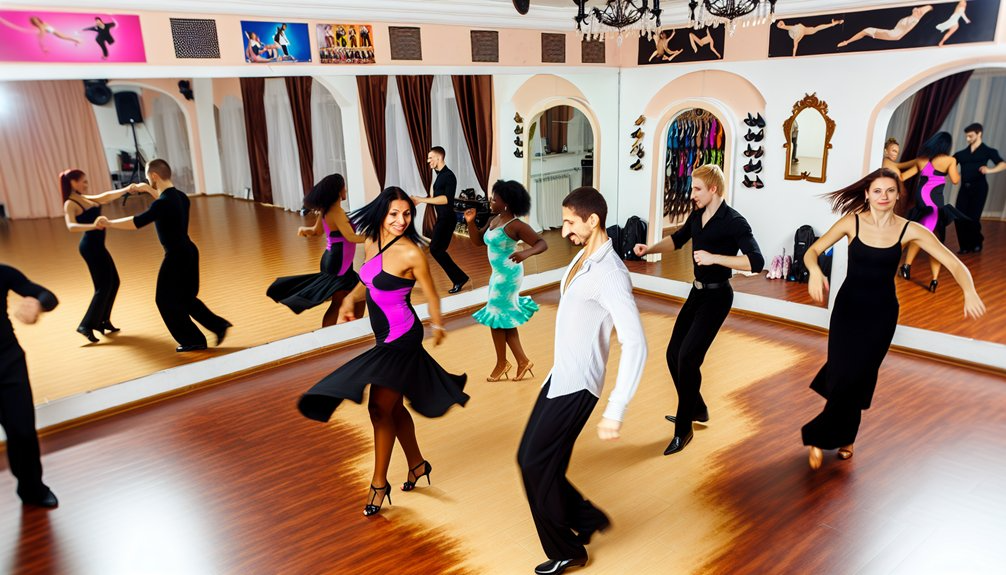
For those enthusiastic to explore deeper into bachata, numerous resources are available to enhance learning and practice. Online tutorials provide an accessible platform for mastering techniques at our own pace. Websites like YouTube offer detailed step-by-step videos, covering everything from basic steps to advanced combinations. Interactive platforms such as DancePlug or Steezy Studio offer structured courses that cater to different skill levels.
Local classes offer personalized feedback and foster a sense of community. We can search for dance studios or community centers hosting bachata classes in our area. This hands-on approach helps refine our style and improve our connection with partners. Whether we choose online tutorials or local classes, consistent practice and active participation are key to advancing our bachata skills.
Frequently Asked Questions
What Type of Shoes Are Ideal for Dancing Bachata?
For bachata, we recommend shoes with suede soles for smooth turns. Opt for dance footwear made from breathable materials like leather or canvas. Avoid rubber soles; they can grip too much. Comfort and flexibility are also essential.
How Can I Improve My Timing and Rhythm in Bachata?
Let’s paint the dance floor with precision. To improve timing and rhythm in bachata, we should embrace timing exercises and rhythm drills. Practice with a metronome, counting beats aloud, and feel the music’s pulse in every step.
Is Bachata Suitable for People With No Prior Dance Experience?
Yes, bachata is perfect for beginners. Let’s focus on beginner tips that build dance confidence. We’ll practice basic steps, count the beats, and keep our movements relaxed. Consistent practice guarantees we gain rhythm and confidence on the dance floor.
How Can I Find Local Bachata Dance Events or Socials?
Let’s grab our trusty smartphones, search online resources, or check community boards for local bachata dance events. Websites like Meetup or Facebook groups often list socials. It’s like finding a sock hop for modern dance enthusiasts!
What Are Some Common Mistakes to Avoid When Learning Bachata?
Let’s avoid footwork errors by practicing basic steps slowly and ensuring smooth changes. We should also focus on clear lead-follow communication, using gentle signals to maintain connection and prevent misunderstandings. Consistent practice will refine our technique.
Conclusion
As we’ve explored, bachata isn’t just a dance; it’s a cultural expression with rich history. Curiously, studies show that dancing can reduce stress by up to 40%, highlighting its mental health benefits. By mastering the basic steps, hip movements, and partner connection, we’re not only learning a skill but enhancing our well-being. Let’s continue exploring different styles and resources to deepen our understanding and enjoyment of this enchanting dance form.